2019 · 48 min
"We left the house with only the clothes we were wearing. My mother thought we were going for one night. She kept the key in her hand for thirty years."
Marie H.
Survivor, Damour · Damour, Mount Lebanon
1840 · 1860 · 1975–1990 · and after
This archive gathers the names, the places, the dates, and the testimonies of the massacres committed against the Christians of Lebanon. It does not seek revenge. It seeks record.

A statement of purpose
We keep this archive because a name written down is a name that cannot be disappeared a second time.
The Christians of Lebanon are one of the oldest continuous communities of the Near East. Their history includes long periods of coexistence, and it includes episodes of mass killing. This museum records the second so that the first remains possible.
Enter through
9 events recorded
Chronological record of massacres, 1860 to the present.
9 regions
Geolocated incidents across Lebanon and the surrounding country.
names, and absences
A searchable memorial of the named and the unnamed.
4 recordings
Survivors and witnesses in their own words.
Archival photograph
Damour, January 1976
Content revealed on the exhibit page
Featured exhibit · 1976
A coastal town, its church, and its cemetery
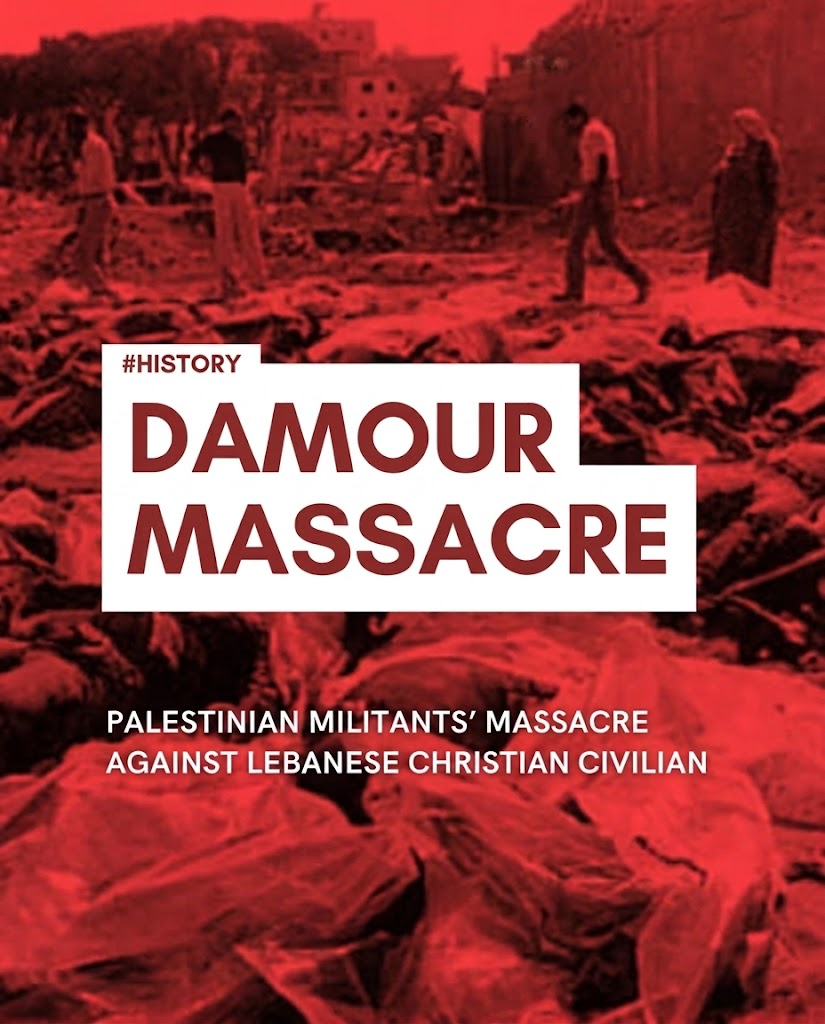
The events at Damour in January 1976 remain among the most documented mass killings of the Lebanese civil war. This exhibit gathers the surviving photographs, the parish records, and the testimonies of families who returned decades later to a village that no longer recognized them.
Read the exhibitLatest testimonies
2019 · 48 min
"We left the house with only the clothes we were wearing. My mother thought we were going for one night. She kept the key in her hand for thirty years."
Marie H.
Survivor, Damour · Damour, Mount Lebanon
2015 · 1 h 12 min
"The bells did not ring that morning. That is how the mountain knew."
Father Elias
Parish priest · Ehden, North Lebanon
2011 · 34 min
"For a hundred days we counted the shells the way farmers count rain. Not the same, but that was the rhythm we learned."
Anonymous
Civilian, East Beirut · Ashrafieh, Beirut